





Tailwind layoffs - January 2026
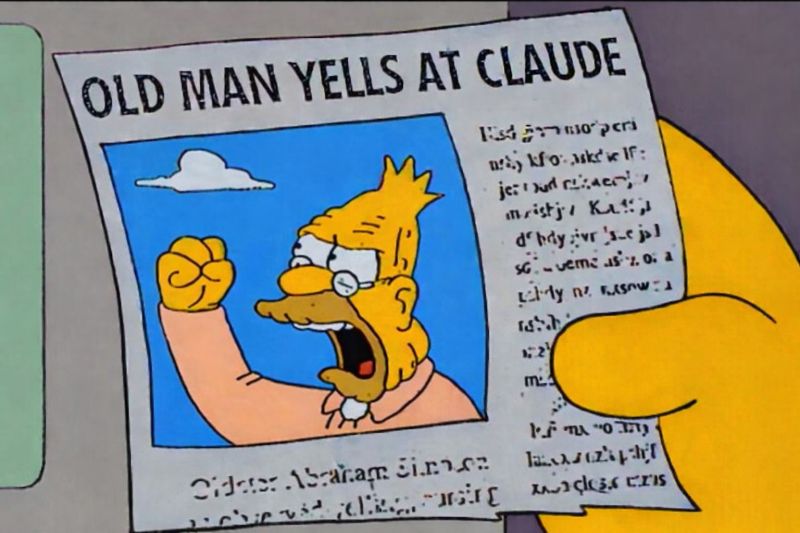
After Tailwind announced layoffs affecting 75% of its workforce in January, a wildfire of panic swept through the open-source software (OSS) community. Engineers across the globe have ditched docs, books, and premium plans now that coding agents can do the reading for them. Many respectable voices in our industry sounded a very pessimistic alarm: we are seeing the end of OSS.
Are we seeing the end of OSS (Open Source Software)?
I want to point out a few reasons why I don’t see that happening.
The first one is the big one: open source software is a creative endeavour. Just like most photographers, rock bands, and painters never see a dime for their effort, software engineers will keep building cool things. It’s human nature. Tailwind, with its dedicated development team, is the exception, not the norm. Most open-source libraries are written and maintained by a single dude after hours. For free. The human spirit needs this creative outlet, whether or not they get paid for it.
Tailwind might have let 3 engineers go, but it still has 330+ contributors. This primal drive is unstoppable.
Secondly, reusable software is vital for stability. We know that reinventing the wheel every time leads to maintenance hell. Yes, Claude Code can one-shot an entire mobile app. But that is only possible because it can lean on Expo, a framework maintained by 1700 contributors. When Android introduces another breaking change, the Expo community addresses that. For app developers, it’s as simple as running npx expo upgrade.
But now imagine we get Claude to write a mobile app from scratch. Let’s say it can do this without Expo or even without Kotlin. It just pushes pure JVM bytecode. Imagine each of your vibe-coded mobile apps implements this slightly differently. A breaking change in the Android spec would be a nightmare. It would break those apps overnight and would require a lot of effort to fix. Even if that effort is automated, the result would be an even worse deviation from the standard! Without stable libraries, Claude builds a house of cards.
The power of OSS
The power of OSS is the ability to lock down complexity in certain libraries. We don’t write REST handlers; we use Laravel controllers. We don’t worry about Firefox compatibility; we use React. If we want to build the next level of complexity with AI-powered tools, we will need to keep the foundation stable. Without those libraries, Claude would be stuck.
A third reason is the awesome distribution that comes with OSS. By making it free for engineers to build and experiment with your library, you are persuading decision-makers to roll out the framework professionally. That's a real hurdle for closed-source vendors. Imagine having to convince companies to buy your proprietary CSS library that none of the engineers has heard of. Ugh!
AI further strengthens this distribution power. If Claude isn't trained on the publicly available code of your enterprise Tailwind killer, it is not going to build apps with it. Coding agents will always default to the most popular frameworks—those with the best distribution channels.
Claude Code needs open source to be successful.
What we are seeing today is not the breakdown of the open source model. It’s the breakdown of a business model that always has been shaky. Free software gets engineers experimenting, and that’s how you reach market share. But if something is free, how do you make money off it? The answer has been books, courses, consulting, managed services, and premium versions. Some of those business models are now breaking down.
That doesn’t spell the end of open source. It doesn’t even spell the end of profitable open source. But it requires a new business model.
The crazy part is that companies are more than willing to pay for open source. They don’t want the hassle of individual subscriptions, but I’m convinced they would love to partner up with their foundational vendors. Maybe that will result in more partner programs. Maybe it will require a Spotify for OSS.
Smart business people will figure that out.
In the meantime, I promise you, engineers will keep building.
For free if they have to.
Follow our bi-weekly podcast
Or listen to us on Spotify





Member discussion